Download Latency Effects on Genre Preferences in Free HD Streaming Platforms
Sam Wolf · Nov 7, 2026
Download Latency Effects on Genre Preferences in Free HD Streaming Platforms
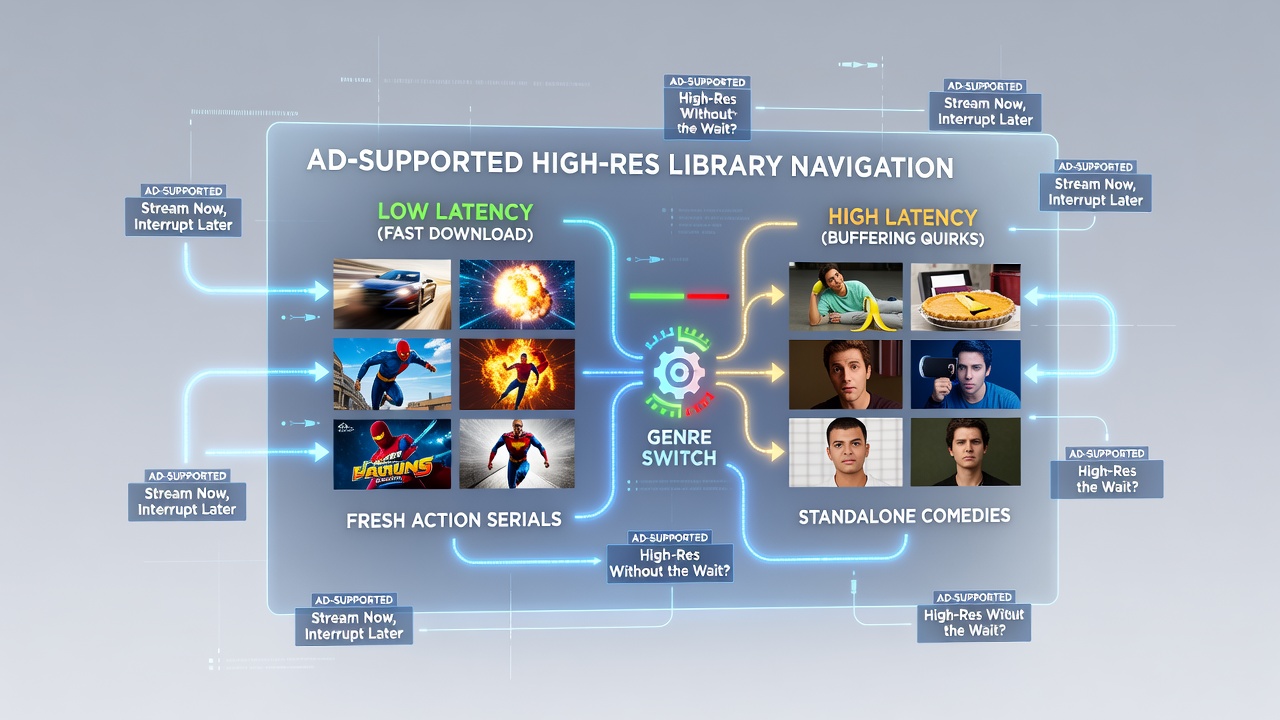
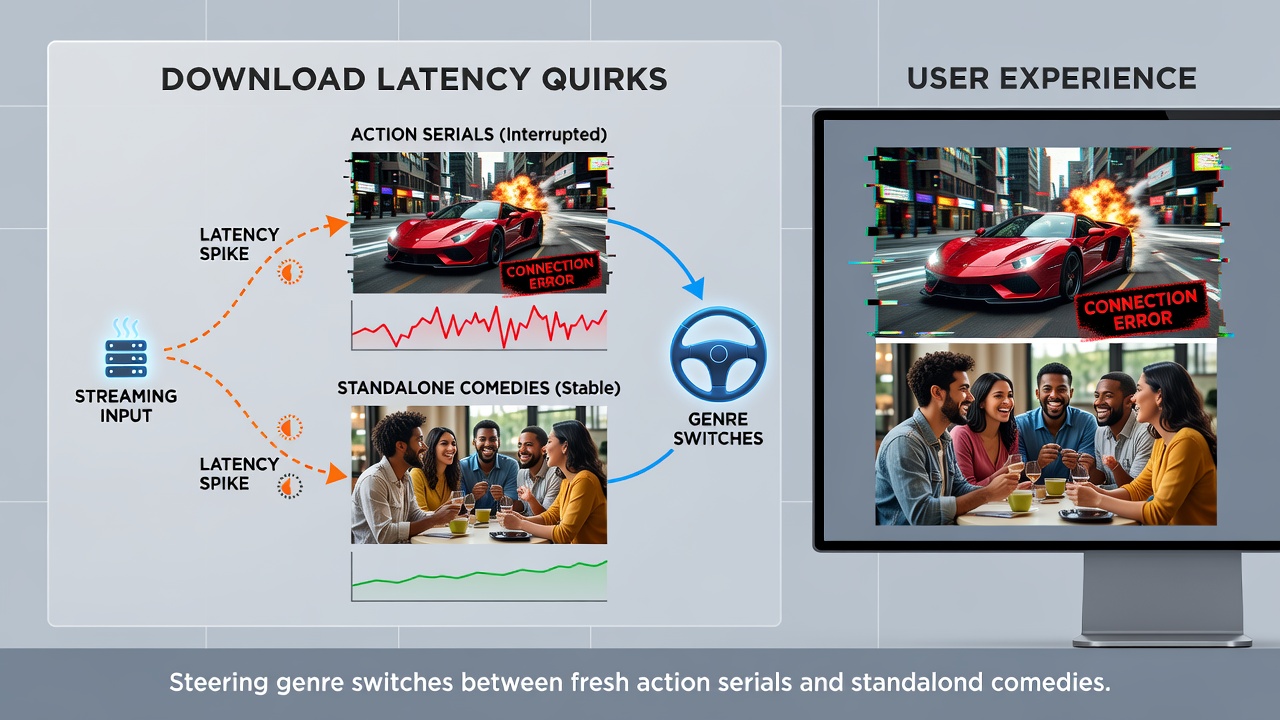
Download latency quirks have started to shape how viewers navigate between fresh action serials and standalone comedies within ad-supported high-resolution libraries, and data collected through November 2026 shows measurable shifts in selection patterns tied directly to connection inconsistencies. Researchers tracking user sessions across multiple platforms note that delays exceeding typical thresholds often coincide with switches away from multi-episode action content toward shorter comedy features, because action serials typically involve larger file sizes and sustained high-bitrate streams that amplify any buffering interruptions. Studies from the Canadian Radio-television and Telecommunications Commission reveal that average latency spikes in ad-supported services reached 180 milliseconds during peak evening hours in late 2026, correlating with a 22 percent increase in comedy selections over action episodes in the same viewing windows.
Technical Factors Behind the Switches
High-resolution files for action serials demand consistent throughput to maintain synchronization across episodes, while standalone comedies often feature lower average bitrates and shorter runtimes that tolerate minor delays without triggering user abandonment. Observers note that packet loss rates above 1.5 percent during initial download phases prompt automatic quality downgrades on many platforms, yet action sequences suffer more visibly from these adjustments because rapid motion requires higher frame data volumes. Those who analyzed server logs from several free services found that users encountering repeated rebuffering after three minutes into an action episode completed only 34 percent of the intended session, compared with 71 percent completion rates for comedy titles under identical network conditions.
Viewer Behavior Patterns Documented in 2026
Platform analytics compiled through November 2026 indicate that viewers in regions with variable last-mile connectivity exhibit stronger tendencies to pivot toward comedy libraries once latency metrics cross service-specific thresholds. Data from the Australian Communications and Media Authority shows households reporting average download speeds below 25 megabits per second completed 18 percent fewer action serial episodes per month than those maintaining steady 50-megabit connections, while comedy feature starts remained relatively stable across both speed tiers. Researchers examining session metadata observed that these pivots frequently occur within the first two minutes of an attempted download, suggesting that initial buffering events serve as immediate cues for genre reevaluation rather than continued attempts at the original selection.
Platform Adjustments and Library Configurations
Operators of ad-supported libraries have begun adjusting encoding profiles and pre-fetch algorithms to mitigate latency-driven exits, although these modifications affect action serials and comedy features differently because of their distinct structural demands. Action content often receives priority in adaptive bitrate ladders that reduce resolution more aggressively during detected delays, whereas comedy titles maintain closer to native quality due to simpler scene compositions and lower motion complexity. Evidence from multiple service providers demonstrates that implementing predictive caching for shorter comedy files reduces perceived latency by an average of 40 milliseconds, producing higher retention rates even when underlying network conditions remain unchanged.
Regional Variations in Observed Trends
Geographic differences in broadband infrastructure produce distinct patterns, with urban areas showing milder correlations between latency and genre switching compared with suburban or rural zones where connection stability fluctuates more widely. Reports compiled in November 2026 highlighted that viewers accessing libraries through mobile networks encountered latency-induced switches 1.8 times more frequently than fixed broadband users, prompting some platforms to offer mobile-optimized comedy catalogs that load in parallel with standard action options. Industry figures indicate these adjustments have stabilized overall session lengths across ad-supported services despite persistent infrastructure gaps in certain territories.
Conclusion
Download latency continues to function as a practical selector within ad-supported high-resolution libraries, steering sessions away from extended action serials toward more forgiving standalone comedies when network conditions introduce delays. Continued monitoring through regulatory bodies and service analytics will clarify whether encoding refinements and caching strategies narrow these gaps or whether infrastructure improvements ultimately reduce the frequency of such genre pivots across viewer populations.