Encoding Limitations Reshaping Verbal Dynamics in Ad-Funded HD Comedy and Action Offerings from Worldwide Repositories
Sam Wolf · Nov 21, 2026
Encoding Limitations Reshaping Verbal Dynamics in Ad-Funded HD Comedy and Action Offerings from Worldwide Repositories
Audio compression techniques applied to ad-supported high-definition content continue to influence how dialogue unfolds in comedy and action releases drawn from international archives, with bit rate constraints often trimming subtle timing cues that shape comedic beats and action sequences. Researchers at various institutions have documented these effects across multiple platforms where content arrives from global sources, and data collected through 2025 shows consistent patterns in how reduced audio fidelity alters speech rhythm without changing the underlying script.
Compression algorithms such as AAC and Opus reduce file sizes by discarding certain frequency ranges and temporal details, which in practice means that rapid-fire exchanges in action scenes lose some of their sharp attack while punchlines in comedies arrive with slightly altered emphasis. Observers note that these changes become especially noticeable when material originates from older archives that undergo re-encoding for current ad-supported delivery standards, and studies conducted by European research groups indicate measurable shifts in perceived pacing during peak viewing hours.
Technical Mechanisms Behind Dialogue Alterations
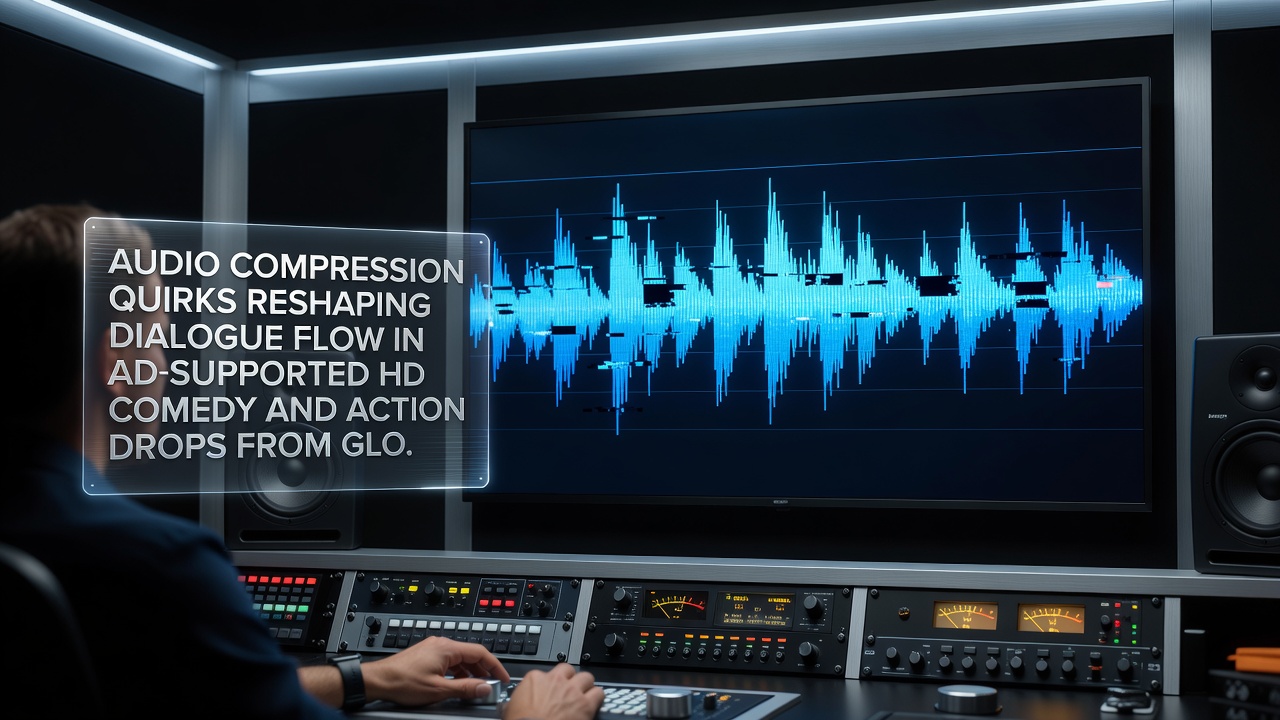
Lossy encoding processes prioritize certain audio bands at the expense of others, which means consonant sounds that carry much of the intelligibility in fast dialogue can soften or blur when bit rates drop below 128 kbps. Those who have examined waveform data from ad-supported streams report that transient sounds like gunshots or door slams in action titles sometimes mask surrounding speech, forcing encoders to make decisions that shorten or extend perceived pauses between lines. In comedy drops, the same mechanisms can flatten the rising intonation that signals a joke's setup, and figures from industry monitoring services reveal that viewer completion rates dip when these artifacts accumulate across an episode.
Global archives add another layer because source material frequently arrives with different original sampling rates and dynamic ranges, requiring fresh compression passes that compound earlier artifacts. Data from November 2026 platform updates show that several major services adjusted their default audio profiles for international content, resulting in more uniform but less nuanced dialogue tracks across comedy and action categories.
Regional Variations in Encoding Practices
Providers operating in different territories apply distinct bit rate allocations depending on local bandwidth conditions and advertising load, which creates noticeable differences in how dialogue flows from one region to another. Content licensed from Asian archives, for instance, often receives heavier compression when repurposed for North American ad-supported channels, while European-sourced material tends to retain slightly higher fidelity in similar titles. Research coordinated through the International Telecommunication Union has tracked these discrepancies and found that they affect timing perception in ways that accumulate over multi-episode viewing sessions.
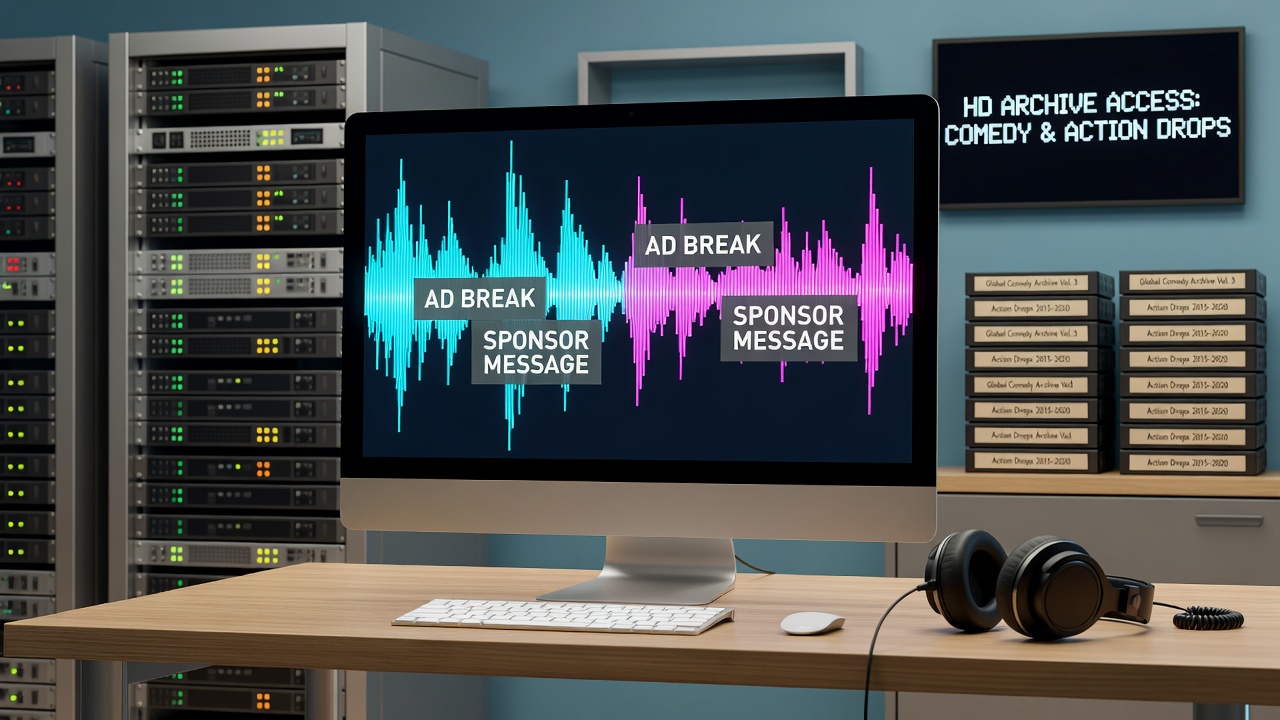
Ad insertion points further complicate the picture because each commercial break triggers a new encoding segment, and abrupt shifts in audio quality can reset the listener's sense of conversational rhythm. Those analyzing large datasets of streamed action and comedy releases note that these resets occur more frequently in longer feature films drawn from global catalogs, where cumulative compression effects become harder to ignore.
Impact on Narrative Pacing Across Genres
Comedy relies on precise delivery timing, and when compression trims micro-pauses or softens volume peaks, the intended rhythm of a scene can shift even though the script remains unchanged. Action sequences face parallel challenges because overlapping dialogue and sound effects compete for limited audio bandwidth, leading encoders to prioritize one element over another and thereby alter the intended tension buildup. Studies published by academic teams in Canada and Australia have measured these timing deviations in controlled viewer tests, confirming that audiences register the differences without always identifying the technical cause.
Archives containing older international productions present additional hurdles since their original mixes were created for different playback environments, and modern compression layers interact unpredictably with those legacy characteristics. Platform operators have responded by implementing dynamic range adjustments that attempt to preserve dialogue clarity, yet the underlying bit rate limitations continue to reshape how conversations unfold in real time for end users.
Future Adjustments and Ongoing Monitoring
Engineers working on next-generation codecs explore methods to protect speech transients more effectively, and early tests suggest that hybrid approaches combining perceptual coding with metadata-driven dialogue enhancement could reduce some of the flow disruptions currently observed. Regulatory bodies in multiple regions continue to examine quality standards for ad-supported services, with particular attention to how compression choices affect accessibility for viewers relying on clear dialogue tracks. As archives expand and more cross-border content enters circulation, these technical considerations remain central to maintaining consistent narrative delivery across comedy and action offerings.
Conclusion
Audio compression continues to exert measurable influence on dialogue pacing in ad-supported high-definition releases sourced from worldwide repositories, with documented effects on timing, emphasis, and clarity that vary by genre, region, and encoding profile. Ongoing research and platform adjustments reflect efforts to balance file efficiency against narrative integrity, while data from multiple monitoring sources tracks the cumulative impact on viewer experience across comedy and action categories.